This archive is an independent reference resource. Content reflects documented historical records and publicly available research.

Stone Bridges & Historic River Crossings — Italy

Where Stone Meets Water: Italy’s River Crossing Heritage

From the Roman military engineers who first spanned the Po to the medieval masons who rebuilt along the Arno, Italy’s bridges carry two thousand years of technical ingenuity and civil necessity. This archive documents what remains.

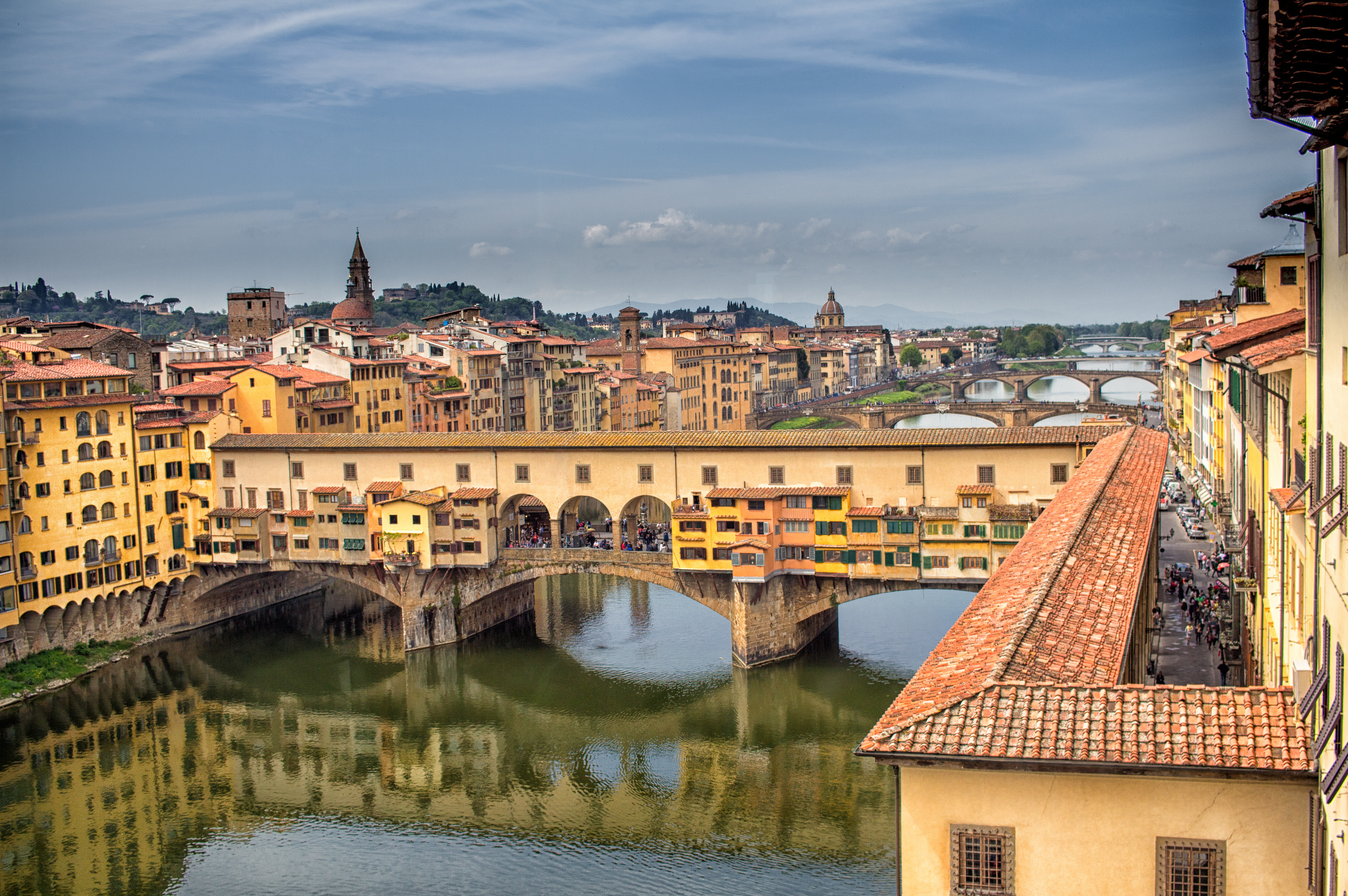
Ponte Vecchio at dusk, Florence, Italy

Documented Crossings & Bridge Studies

Ancient Roman bridge at Castelmezzano, Italy

Roman Engineering

Roman Stone Bridges Still Standing in Northern Italy

Several bridges built under Roman administration continue to carry pedestrian traffic across rivers in Lombardy, Veneto, and Friuli. Their survival is a matter of material quality and geography as much as maintenance.

Updated May 2026

Read article →
The Ponte Vecchio and Arno River, Florence

Medieval Infrastructure

Medieval Fords and Crossing Points Along the Arno River

Before Florence became a city of bridges, merchants and pilgrims crossed the Arno at shallow fords. The gradual replacement of those fords with stone structures reshaped commerce and settlement patterns along the valley.

Updated April 2026

Read article →
Ponte delle Torri, Spoleto

Restoration

Restoration of Historic Bridges in the Italian Mountain Regions

In the Apennines and Alpine foothills, dozens of medieval stone bridges face erosion, flood damage, and neglect. Restoration efforts involve structural engineering, archival research, and local community advocacy.

Updated March 2026

Read article →

The Ponte delle Torri at Spoleto: An Aqueduct That Became a Bridge

Spanning the Tessino gorge at a height of 76 metres, the Ponte delle Torri in Spoleto defies easy classification. Originally constructed as a Roman aqueduct in the first century CE, it was reinforced and repurposed as a pedestrian and defensive crossing during the medieval period. Ten arches of local stone carry a roadway more than 230 metres long, making it one of the most complete surviving examples of Roman hydraulic engineering converted to civic use.

Read about Roman engineering
Ponte delle Torri spanning the Tessino gorge at Spoleto

What the Records Show

~930

Bridges listed in Italy’s national heritage inventory

The Ministero della Cultura maintains a register of structures with documented historical significance, of which stone bridges form a significant share.

2,100+

Years since the oldest surviving Roman bridge was completed

The Ponte di Augusto at Narni, completed around 27 BCE, represents one of the earliest datable stone arch bridges still partially intact on Italian soil.

76 m

Height of the Ponte delle Torri in Spoleto above the river gorge

At 230 metres in length and 76 metres above the Tessino stream, it remains the tallest surviving Roman-era viaduct structure in central Italy.

Medieval Fords: The Crossings That Came Before the Bridges

Not every river crossing in medieval Italy required a masonry arch. Shallow stretches of gravel riverbed, known as fords, served as the primary crossing points for much of the peninsula’s history. Along the Arno, the Tiber, and the upper Po tributaries, ford sites shaped the location of markets, monasteries, and fortified settlements. When flooding rendered a ford unusable, the surrounding community often faced economic isolation for weeks at a time. The shift toward permanent stone bridges was as much about reliability as it was about prestige.

Medieval fords along the Arno

Ongoing Structural Work in the Apennines

Mountain bridges in Italy face a specific set of pressures that their lowland counterparts do not. Spring snowmelt, freeze-thaw cycling, and occasional flash floods stress mortar joints and foundation stones in ways that coastal or valley bridges rarely experience. Since 2010, the Italian Ministry of Culture has funded targeted restoration interventions on more than forty medieval and post-Roman bridges in the northern and central Apennines, using traditional lime mortar formulations where the original material has been documented.

Restoration case studies

The Ponte del Diavolo at Cividale del Friuli

Known locally as the Devil’s Bridge, the Ponte del Diavolo at Cividale del Friuli spans the Natisone river on a single arch 22 metres above the water. The current structure dates from the fifteenth century, replacing an earlier Lombard-era crossing. Cividale itself — a UNESCO World Heritage Site since 2011 — preserves one of the most complete concentrations of Lombard archaeological material in Europe, and the bridge remains a functional pedestrian route connecting the old town to the eastern bank.

Read about northern bridges

Send an Enquiry

For archive corrections, research collaborations, or general correspondence.

Explore the Full Archive

Three in-depth articles covering Roman construction, medieval infrastructure, and modern restoration work across Italy’s stone bridge heritage.

Begin with Roman bridges